Column · @connerytbj462
How a Gin Bar Curates Its Signature Drinks
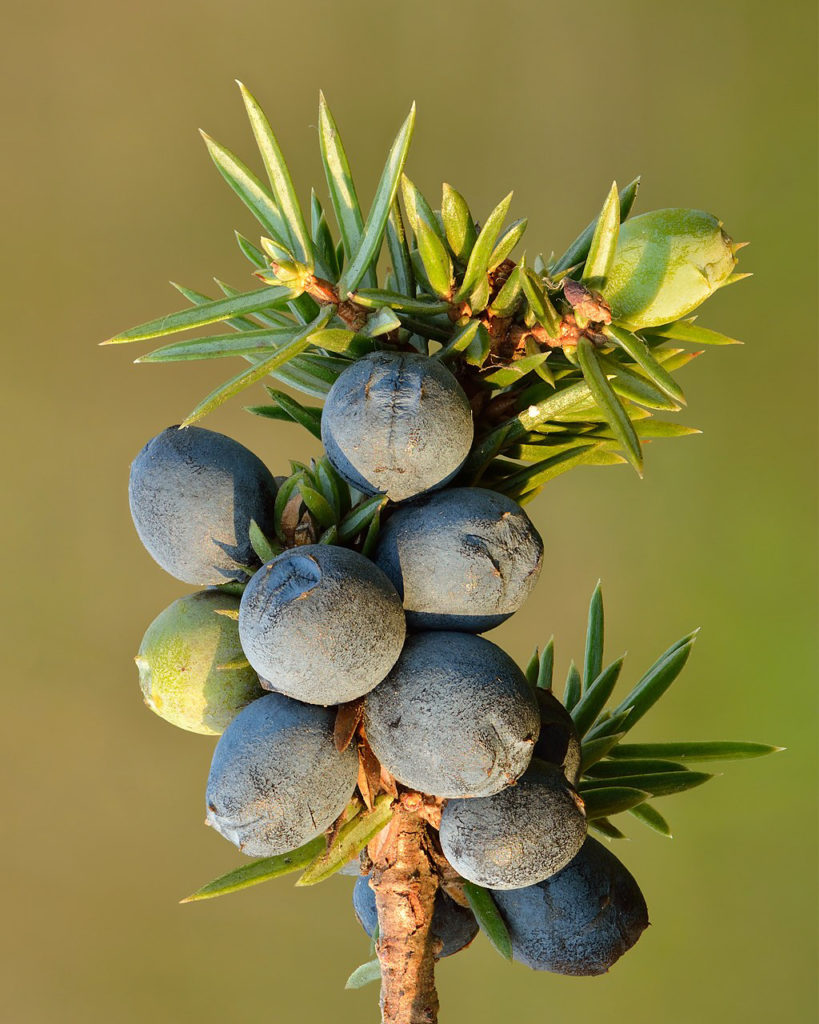
A strong signature menu does not happen because a bar stocks a lot of gin. It happens because someone behind the scenes has made dozens of small decisions with discipline. A good Gin Bar understands that guests do not order from a spirits list, they order from a point of view. They want to feel that the drink in front of them belongs to this room, this team, and this moment.
That is what separates a memorable gin program from a generic one. You can buy excellent bottles from London, Japan, Spain, Scotland, Australia, or a local distiller. You can invest in polished glassware, crystal clear ice, and elegant garnishes. None of that guarantees a signature drink worth returning for. The real work is curation, which in practice means editing, testing, rejecting, refining, and then presenting the final drink so it feels effortless.
In most bars, gin invites ambition because it is one of the most flexible base spirits on the shelf. It can read bright, floral, resinous, savory, citrusy, earthy, spicy, or saline depending on the bottle and the supporting ingredients. That range is a gift, but it can also tempt a team to overbuild. Some of the weakest signature drinks start with a good gin and then bury it under syrups, tinctures, liqueurs, shrubs, foams, and smoke. The menu sounds impressive, but the glass tastes confused.
A disciplined Gin Bar curates with the opposite instinct. It asks what the spirit can already do, then builds just enough around it to sharpen the idea.
The brief comes before the bottle
Most successful signature menus begin with a clear brief, even if the team does not call it that. Before anyone starts infusing berries into vermouth or washing gin with olive oil, there should be agreement on what the menu needs to achieve.
Sometimes the brief is commercial. A bar may want drinks that are fast to execute on a packed Friday night, with prep that can be handled by a small team and ingredient costs that stay in a safe range. Sometimes the brief is seasonal. Early summer often invites high acid, lengthened serves, fresh herbs, cucumber, elderflower, stone fruit, and saline touches. Winter leans toward spice, citrus peel, tea, orchard fruit, baked notes, and richer textures. Sometimes the brief is identity-driven. A hotel bar may need polished crowd-pleasers, while a neighborhood Gin Bar can afford to be more idiosyncratic.
This first stage matters more than many people realize. If the concept is vague, the drinks tend to drift. One cocktail feels like a modern Martini variation, the next is tropical, the next is dessert-like, and the next seems designed for a different venue altogether. Guests may not articulate that disconnect, but they feel it. Menus without a coherent brief often sell unevenly because they do not tell a unified story.
I have seen the opposite work beautifully. A bar once built an entire spring menu around the idea of “green, brisk, and dry.” That phrase was not printed anywhere, but it guided every tasting session. It eliminated half the early ideas immediately. Anything too sweet, too muddy, or too heavy fell away. The final list felt tight because the team had edited with purpose.
Choosing the right gin is an act of restraint
People outside the trade often assume curating signature drinks begins by selecting the most unusual gin available. In practice, unusual is not always useful. A spectacular sipping gin can be a poor foundation for a mixed drink if its character collapses under dilution or clashes with modifiers.
A smart bar starts by understanding its core gin styles in practical terms. London dry still matters because it gives structure. Juniper-forward gins bring authority to stirred drinks and bitter profiles. Citrus-led gins lift spritzes and highballs. Floral gins can be elegant in small doses but turn perfumed quickly if paired carelessly. Contemporary gins with softer juniper and louder botanicals can create beautiful signatures, though they often need firmer acid or bitterness to avoid reading soft.
The key question is not “Is this gin good?” It is “What does this gin do in a finished serve?” Those are very different questions.
That distinction becomes obvious in side-by-side tasting. A gin that tastes vivid neat may disappear once vermouth, cordial, or soda enter the picture. Another that feels austere on its own may become brilliant when citrus and sugar pull its structure into focus. Many bars discover their best signature base is not the rarest bottle on the shelf, but the one that keeps its shape after chilling, dilution, and garnish.
Cost also matters, and serious operators admit that early. Signature drinks have to sell. If the base spirit cost pushes the menu price past what the room can support, the drink may earn admiration but not volume. Guests rarely reward internal heroics they cannot see. A well-chosen mid-priced gin with a clear identity often outperforms a luxury bottle in both taste and margin.
Building around botanicals without repeating them blindly
Gin brings botanicals to the glass before any modifier touches the shaker. That seems obvious, yet many menus ignore it. A gin with strong coriander, angelica, and citrus peel does not need three more ingredients chosen solely because they also sound botanical. The result can become flat in a strangely aromatic way, all top note and no depth.
Better curation starts with contrast and support. If a gin leans piney and dry, stone fruit can soften its edges without muting it. If the gin is floral, a bitter or saline element may keep it upright. If the botanical profile feels broad and soft, acid can define it. Think less about matching ingredients by category and more about what the palate still needs after the first sip.
This is where many signature cocktails are won or lost. A bar may create a clever ingredient in prep, perhaps a basil cordial, chamomile honey, pink pepper tincture, or roasted grape shrub. The team falls in love with the prep because it took effort. Then they force it onto the menu. Experienced bartenders know effort is irrelevant once the drink reaches the guest. If the custom ingredient does not clarify the gin, it should go.
One practical exercise works well in menu development. Taste the candidate gin diluted with cold water to roughly cocktail strength. That reveals its skeleton. You notice bitterness that was hidden in the neat pour, the shape of the finish, and whether the citrus notes remain lively or fade. From there, pairing decisions get easier and less romantic. The drink starts to speak in terms of balance instead of imagination.
Technique decides whether the idea survives service
A signature drink is not just a recipe. It is a recipe under pressure, repeated hundreds of times by more than one bartender, for guests who order at different times of day, in different moods, and in varying states of patience.
That is why service technique has a louder voice in curation than many creative teams expect. A drink can taste excellent in a quiet afternoon trial and fail miserably at 9:30 p.m. When the bar is three tickets deep. Anything that depends on fragile foam, exacting layered pours, or multiple last-second garnishes should face hard scrutiny. Complexity is not a virtue if the fourth version of the night tastes worse than the first.
The bars that do this well design for consistency. They ask how a signature Gin Bar serve behaves after ninety seconds on a table. Does the dilution improve it or flatten it? Does the garnish stay aromatic or turn messy? Does the color hold? If it is carbonated, does it still feel alive after a minute? If egg white or aquafaba is involved, does texture remain elegant or become stiff?
A lot of curation happens in these unglamorous questions. I have watched promising drinks get cut because the herb garnish browned too quickly under lights. I have seen a lovely clarified punch removed because the prep burden was too high for the weekly sales it generated. Those decisions are not failures. They are signs that the team understands the difference between a tasting-room concept and a viable signature pour.
The menu needs internal balance, not just strong individual drinks
One excellent gin cocktail does not make a signature program. The menu must work as a whole. If every drink on the page leans bright and floral, the list can become tiring even if each recipe is sound. Guests scan for different moods: something brisk, something savory, something celebratory, something low in alcohol, something familiar enough to trust.
The strongest gin menus often create contrast through texture and format rather than radical flavor swings. A dry stirred drink sits beside a lengthened highball. A citric sour is balanced by a savory Martini-adjacent serve. A sparkling option offers relief from denser builds. This keeps the list coherent while giving the guest room to choose according to appetite and occasion.
One useful test is to read the menu descriptions without the drink names. If every description relies on the same vocabulary, the curation probably needs work. “Fresh,” “floral,” and “zesty” can only do so much. Distinction should appear in the actual structure of the drinks, not just in adjective choice.
A practical menu might aim for a spread like this:
- one clean, spirit-forward serve
- one bright, citric shaken drink
- one long and refreshing highball
- one savory or herb-led option
- one softer, more accessible crowd-pleaser
That is not a rigid formula, but it prevents the common problem of accidental sameness. It also helps the team guide guests with confidence. Not everyone walks into a Gin Bar wanting juniper in its sternest form. Some want surprise. Some want comfort. The menu should make space for both.
Seasonality is real, but so is guest memory
Seasonal menus can sharpen creativity, though seasonality is often discussed too romantically in drinks. Unlike kitchens, bars are not always dealing with ingredients whose flavor changes dramatically week to week. Citrus, herbs, berries, and stone fruit matter, but a gin program cannot rely on produce alone to signal the season. Temperature, glassware, carbonation, sweetness, dilution, and visual tone all shape whether a drink feels right for the time of year.
Spring and summer signatures tend to tolerate more lift. Longer serves do better. Acidity feels welcome. Carbonation helps. Guests are more receptive to cucumber, mint, lemon verbena, green strawberry, fennel, melon, elderflower, and saline minerality. Come autumn and winter, a bar can move toward richer aromas and tighter builds. Tea, fig, pear, quince, honey, walnut, rosemary, black cardamom, orange peel, and gentle smoke all have a place if handled with restraint.
The trick is not to chase the season so hard that you erase the bar’s identity. Guests often return because they remember one signature drink that felt unmistakably tied to the venue. If every menu change wipes that memory clean, you lose continuity. Many successful bars keep one or two anchor serves through the year, then rotate the rest. That preserves recognition while giving the staff room to create.
I have seen a house gin highball do this especially well. The core structure stayed intact for years: gin, a dry aperitif element, acid, light sweetness, soda, and a savory aromatic garnish. The specifics shifted with the season, but the drink remained the bar’s signature in the minds of regulars. That is smart curation. It evolves without becoming anonymous.
Prep is where ambition meets labor cost
Some of the most exciting gin cocktails rely on house-made elements. Clarified juices bring polish. Cordials carry intensity without cloudiness. Distilled herbal waters can smell extraordinary. Infusions, ferments, and milk punches all have their place. But every prep item has a labor cost, a shelf-life issue, a training requirement, and a failure point.
Bars that build great signature lists tend to be ruthless about this. They count not only the cost of ingredients but the minutes attached to them. A syrup that takes three hours of staff time to produce, yields inconsistently, and lasts only four days needs to justify itself with either strong sales or truly distinctive flavor. Otherwise it is vanity disguised as craftsmanship.
Here, the practical questions are often more revealing than the creative ones.
- Can the prep be made consistently by different people?
- Does it hold flavor and appearance for its intended shelf life?
- Does it reduce or increase pickup time during service?
- Is the ingredient doing something a simpler method cannot?
- What happens if a batch runs out on a busy night?
If the answers are shaky, the drink may still be worth doing, but the bar should acknowledge the trade-off rather than romanticize it. The best signature programs are usually less complicated than they sound. Their elegance comes from careful editing and robust prep systems, not from maximalist technique.
Garnish should complete the aroma, not compensate for the recipe
Gin invites garnish excess more than almost any spirit. Citrus wheels, herb bundles, pepper, flowers, cucumber ribbons, dehydrated fruit, expressed oils, atomized tinctures, and flavored salts all appear regularly, sometimes in combinations that make the guest work harder than the drink itself.
A curated garnish program is more selective. It treats garnish as the first aromatic note of the sip, not as decoration added after the fact. If the cocktail needs a whole herb bouquet to seem interesting, the liquid may be underbuilt. If the garnish is so large that the guest cannot drink comfortably, the design has failed.
Small choices matter here. A lemon twist behaves very Gin Bar differently from a grapefruit peel, even when both seem broadly “citrus.” A slapped rosemary sprig can dominate a delicate floral gin. Cracked black pepper may lift a savory profile at first and then overwhelm the finish by the final third of the drink. Edible flowers can be beautiful, but they often contribute less to aroma than a simple expressed peel.
Glassware also belongs in this conversation. A Nick and Nora creates a very different aromatic delivery from a balloon glass or a Collins. Many bars overlook that. They spend weeks calibrating a garnish and then serve the drink in a vessel that disperses the aroma too quickly or traps it too tightly. Signature drinks succeed when these choices work together.
Guest feedback is data, but not every comment should drive a change
One of the hardest skills in curation is deciding which feedback matters. Guests will tell you a drink is “too strong” when they mean too dry. They will say “not gin enough” when the real issue is that the garnish is dominating the nose. They may praise a sweet serve because it is easy to like in one sip, even if it becomes tiring halfway through.
That does not mean feedback should be ignored. It means it should be interpreted by someone who understands the structure of the drink. Sales mix, repeat orders, staff notes, and direct guest comments all help. If a cocktail is frequently returned half-finished, that tells you something different from a drink that sells modestly but earns deep loyalty from the right guest. A menu is not a democracy. It is an informed editorial process.
Bartenders on the floor often provide the sharpest insight. They hear the hesitation before the order, see which descriptions land, and notice when a guest points at one drink but asks to make it “less sweet,” “more savory,” or “not too floral.” Those moments reveal gaps between concept and communication. Sometimes the recipe is fine and the wording is wrong. Sometimes the drink itself needs a firmer identity.
A seasoned bar manager watches for patterns over anecdotes. One loud complaint means very little. Twenty similar comments over three weeks deserve attention.
The best signature drinks feel inevitable
When people talk about great cocktails, they often focus on novelty. In service, novelty is overrated. The most successful signature gin drinks usually feel inevitable once you taste them. Not obvious, not boring, but coherent enough that every part seems to belong.
That coherence is the product of many invisible edits. The team chose a gin that retained its voice under dilution. They matched botanicals thoughtfully instead of literally. They kept prep ambitious where it counted and simple where it saved labor. They designed the drink to survive a busy shift. They gave the menu internal balance, let seasonality shape but not dominate it, and used garnish to sharpen aroma rather than hide flaws.
Guests rarely see that process. They only feel the result. The drink arrives, smells right before the first sip, opens cleanly on the palate, and finishes with enough identity that they remember it later. That is the mark of a well-curated program in any Gin Bar. The drink tastes as though it could not have been made any other way, or anywhere else.
And that, more than novelty or complexity, is what turns a signature serve into part of a bar’s reputation.
The Winslow
243 E 14th St
New York, NY 10003, United States
Phone: +1 212-777-7717
FAQ About Gin Bar
How to do a gin tasting?
Start with a small pour and gently smell the gin before taking a small sip. Notice its juniper, citrus, floral or spice notes, then compare how the flavor changes with a little water or tonic. At a gin bar, ask the bartender to explain the selection and botanical pairings.
How to make the best tasting gin and tonic?
Use chilled gin, fresh tonic and plenty of ice. A common starting ratio is one part gin to two parts tonic, adjusted to taste. Choose a garnish that complements the gin's botanicals and stir gently to preserve the bubbles.
What is the smoothest tasting gin?
There is no single smoothest gin for everyone. Perceived smoothness depends on the botanical recipe, alcohol strength, serving temperature and mixer. Describe whether you prefer citrus, floral, herbal or juniper-forward flavors so a bartender can suggest a suitable style.