Column · @connerytbj462
How a Gin Bar Brings Classic and Contemporary Styles Together
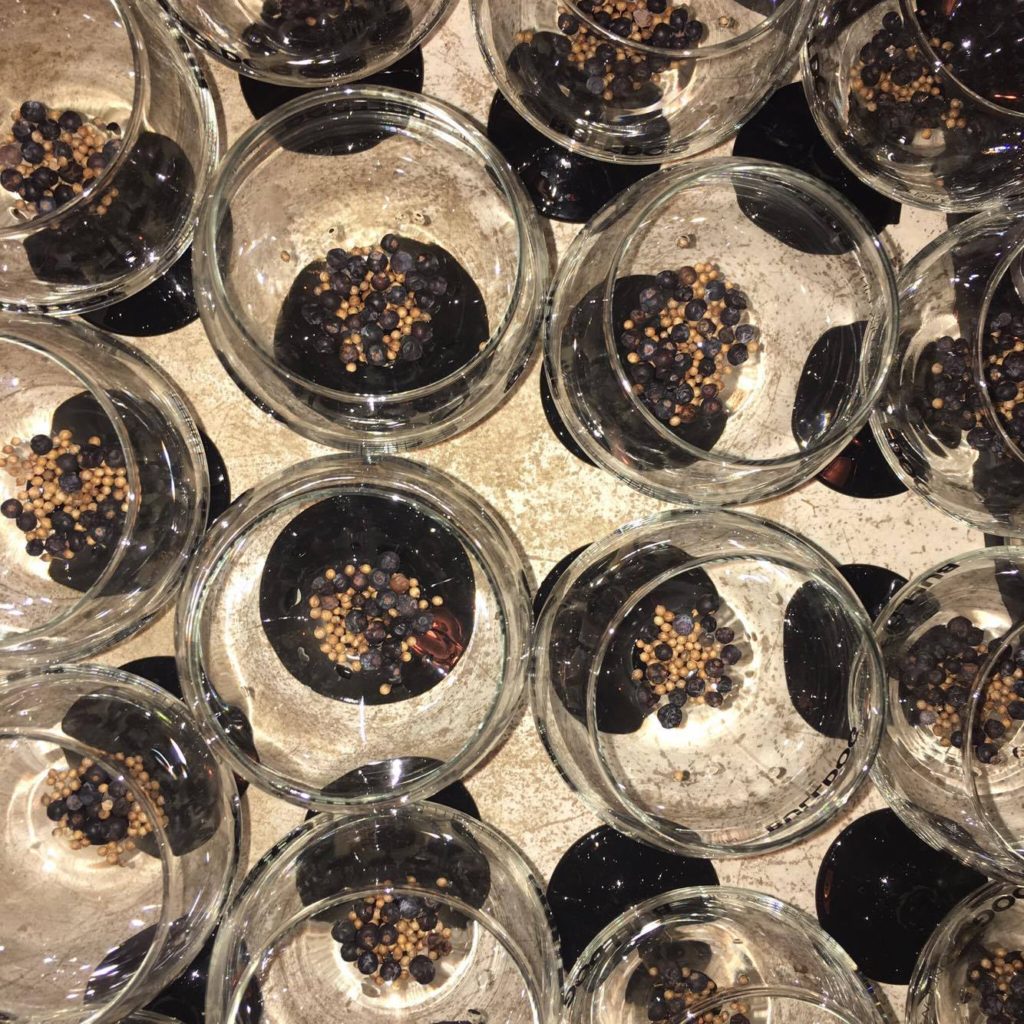
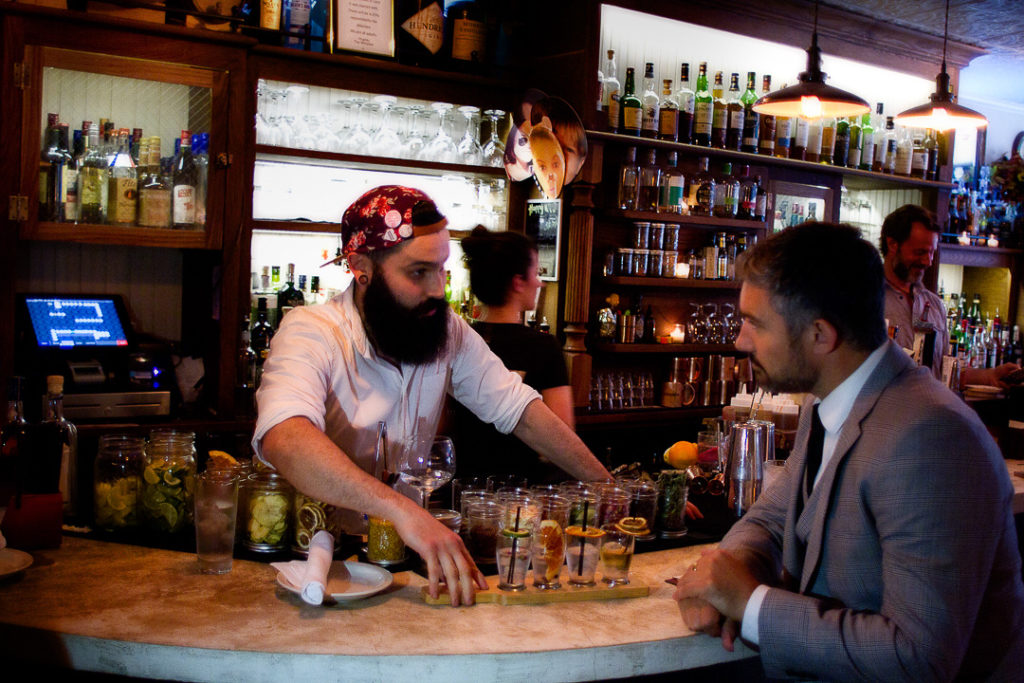
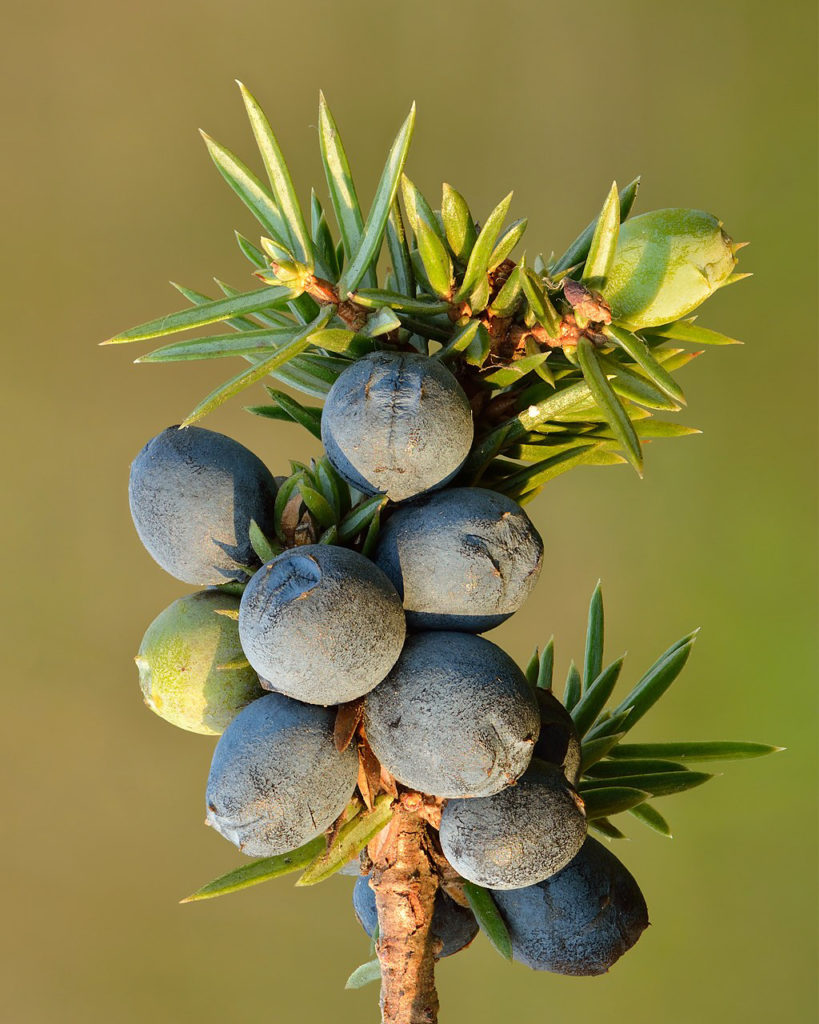
A good Gin Bar rarely succeeds by choosing one lane and staying there. The most memorable ones understand that gin itself has always lived in two timeframes at once. It carries a long European drinking tradition, built on juniper, ritual, and the language of classic cocktails. At the same time, it invites constant reinvention through modern distillation, local botanicals, experimental garnish, and a more relaxed approach to hospitality. That tension is not a problem to solve. It is the entire appeal.
You can see it before the first drink arrives. A guest steps into a room with dark timber shelving, cut crystal, and brass railings, then notices concrete surfaces, low contemporary lighting, and a soundtrack that belongs firmly to the present. The bar menu might list a Martini and a Negroni next to a clarified gimlet with green peppercorn, or a gin highball carbonated in-house and served in stemware. Nothing feels forced when the place knows what it is doing. The old and the new sit comfortably together because both are anchored in taste, technique, and mood.
That balance is harder to achieve than it looks. Anyone can hang framed vintage posters on the wall and add a smoked rosemary garnish to a drink. Bringing classic and contemporary styles together in a credible way takes judgment. It requires understanding what deserves preservation, what benefits from revision, and what should be left alone.
The spirit itself makes the idea possible
Gin is unusually suited to this kind of dual identity. Few spirits are as rooted in history while remaining so open to interpretation. London dry still provides the benchmark for many drinkers and bartenders, with its sharp juniper spine and dry, citrus-led profile. Yet the last two decades have widened the category dramatically. Distillers now build gins around native herbs, floral notes, savory botanicals, or fruit-forward structures that would have seemed niche not long ago.
That range gives a Gin Bar room to speak to very different preferences without losing coherence. A guest who wants a cold, exact Martini can be served with the same seriousness as someone curious about a contemporary serve with shiso, olive oil, or saline. The bar does not need to pretend those drinks belong to separate universes. They are part of the same ongoing conversation about aroma, bitterness, dilution, texture, and balance.
From a service perspective, gin also rewards precision. It is transparent in every sense. There is nowhere for poor temperature control, stale tonic, or clumsy garnish to hide. That keeps classic technique relevant. At the same time, because gin expresses botanicals so vividly, it responds well to modern methods like clarification, fat-washing, rapid infusion, and carbonation. The category supports tradition and experimentation without strain.
Classic style is more than visual nostalgia
When people describe a bar as classic, they often mean it looks expensive and somewhat dim. That can be part of it, but the deeper markers are operational. Classic style in a Gin Bar starts with discipline. Glassware is polished and cold. Ice is clear and sized to suit the drink. Vermouth is fresh and refrigerated. The bartender knows the difference between stirring for texture and stirring for temperature. A G and T is not treated as an afterthought. The garnish is chosen with purpose, not because it photographs well.
A serious classic bar also respects proportion. There is a reason certain formulas endure. A fifty-fifty Martini works because it highlights both gin and fortified wine rather than turning the latter into a cameo. A Negroni remains durable because bitter, sweet, and spirituous elements meet each other directly. A Tom Collins still matters because length, brightness, and carbonation make gin feel effortless rather than heavy.
These details matter because they create trust. When guests order familiar drinks, they bring memory with them. They know, even if only instinctively, when the balance is off or the service feels careless. A bar that gets the classics right earns permission to be more adventurous elsewhere on the menu.
There is also something else at work. Classic style slows the experience down. Not in a stuffy sense, but in a deliberate one. The ritual of a silver tray, the quiet crack of a large ice block, the measured pour into a chilled Nick and Nora glass, all of it tells the guest that this is a place where attention still matters. In a market crowded with novelty, that kind of steadiness feels modern in its own way.
Contemporary style starts with clarity, not gimmicks
The strongest contemporary bars tend to have one thing in common. Their modernity is not decorative. It comes from clear thinking.
A modern Gin Bar asks practical questions. Can we make this drink brighter without making it sweeter? Can local citrus peels replace imported garnish for part of the year? Does this new gin actually improve the menu, or is it just new? Can lower-alcohol serves be as satisfying as full-strength classics? Should the menu explain distillation methods, or would that slow down the guest experience?
Those decisions shape the room more than any furniture choice. Contemporary style often reveals itself through restraint. A shorter menu can feel more current than a thick leather-bound one. Clean lines on the back bar can highlight bottle diversity better than cluttered vintage display. Modern service might include a quick explanation of tonic options, or a recommendation based on whether the guest prefers resinous juniper, citrus lift, spice, or floral softness.
One of the clearest contemporary shifts has been the move away from novelty for novelty's sake. A decade ago, many bars chased eccentric garnish and theatrical presentation. Some of that was fun, and some of it helped bring gin to a broader crowd. But guests eventually learned the difference between invention and distraction. Today, the smarter contemporary approach is often quieter. It might mean a house tonic with lower sugar, a savory Gibson variation built on pickling brine from the kitchen, or a freezer-stored Martini program that improves consistency while reducing ticket times.
That is where modern style becomes useful rather than performative. It solves real problems, sharpens flavor, and helps the bar run better.
The menu is where the conversation becomes visible
The quickest way to tell whether a Gin Bar truly integrates classic and contemporary styles is to read its menu closely. Not the cover design, the actual drink architecture.
A thoughtful menu rarely splits into a simple old-versus-new binary. That sounds neat, but it can make the whole concept feel staged. Instead, strong menus tend to create a natural flow. A guest may start with unmistakable standards, then move into drinks that reinterpret those standards, then into original creations that borrow classic logic without announcing it too loudly.
For example, a menu might open with a dry Martini, a Martinez, and a Collins, then follow with a seasonal section where each drink clearly descends from one of those templates. A contemporary Martini variation could use a softer, more floral gin and a bianco vermouth, finished with lemon oil rather than olives. A Collins-inspired serve might replace sugar with a lightly salted shrub and use a gentler carbonation to make the botanicals feel more lifted. The bones remain familiar even when the final expression changes.
This is where bartenders with strong classic training Gin Bar usually stand out. They know that original drinks feel more convincing when they respect structure. Guests may not identify the lineage, but they sense coherence. A drink can be surprising without feeling random.
Menu language matters too. Overwritten descriptions often signal insecurity. A confident Gin Bar describes drinks in a way that is informative but spare. Guests want to know what they are likely to taste, how strong the drink is, perhaps why a particular gin was chosen. They do not need a paragraph of mythology. Precision is more persuasive than hype.
Design does a lot of the blending work
Interior design has become an easy target in bar criticism because so many places lean on it too heavily. Still, when it is handled well, design can quietly unite classic and contemporary styles before anyone studies the menu.
Traditional bar design brings warmth and familiarity. Wood, leather, mirrored shelving, tiled floors, and softly reflective metals have enduring value because they support comfort and ceremony. A bar with those elements usually encourages people to settle in and stay for another round. It also flatters drinks visually. A clear Martini under warm light looks different from the same drink under harsh white lighting.
Contemporary design contributes something else. It can reduce fuss and make the space feel open, legible, and current. Clean joinery, thoughtful acoustics, restrained color palettes, and better sightlines often improve how guests move through a room. Modern lighting systems can focus attention on the bar top while keeping tables intimate. Sustainable materials, if chosen well, can introduce texture without preaching.
The challenge is proportion. Too much vintage styling and the room starts to feel like a themed set. Too much minimalism and a spirit-led venue risks becoming emotionally cold. The best Gin Bar interiors usually allow one side to support the other. A classic back bar might sit within a cleaner architectural shell. Antique glassware might be paired with more modern seating that guests can actually enjoy for two hours. Historic reference works when it is edited.
I have seen this handled particularly well in bars that preserve one or two signature heritage features rather than attempting a total period reconstruction. Perhaps the marble counter remains, or the apothecary shelving, or the old brass footrail. Around those details, the bar builds a present-day identity. That tends to age better than trend-driven reinvention.
Service is where the concept either lives or dies
Guests forgive a lot when service feels intuitive. They notice every inconsistency when it does not.
Classic and contemporary styles place different demands on the floor team, and a strong Gin Bar trains for both. On one hand, there is the formal side of service: remembering names, reading pacing, handling glassware properly, delivering drinks with economy Gin Bar and composure. On the other, there is a modern expectation for conversation. Guests want staff who can explain the difference between a vapor-infused gin and a more traditional pot-distilled one without sounding rehearsed. They want recommendations adjusted to taste, not delivered from a script.
This requires more than product knowledge. It requires tact. Not every guest wants a history lesson about genever or a detailed account of where the coriander seed was sourced. Some want a quick, clean G and T before dinner. Others are happy to spend twenty minutes comparing styles and discussing why one tonic suits a juniper-heavy gin better than another. Good service adapts.
A useful test for any Gin Bar is how it handles the most common order in the room. If someone asks for a gin and tonic, does the bar respond with care or with boredom? A venue that truly values the category treats that serve as central, not secondary. The tonic is fresh and well-chilled. The ratio is considered. The garnish supports the gin rather than overwhelming it. If the guest seems interested, the bartender may offer two or three distinct gin options and explain them in plain language.
That sort of interaction bridges eras beautifully. The drink itself is timeless. The service style feels current because it is informed, flexible, and free of stiffness.
Glassware, ice, and garnish tell you how serious the place is
Some of the most meaningful signs of quality are also the easiest to overlook. In a Gin Bar, the small physical details often reveal whether classic and contemporary elements have been integrated thoughtfully or assembled superficially.
Take glassware. Classic cocktails deserve shapes that support temperature, aroma, and proportion. A well-chosen coupe or Nick and Nora glass preserves elegance while keeping the serve practical. Contemporary drinks may call for different silhouettes, especially if carbonation, larger ice formats, or aromatic space matter. What matters is fit. If every drink arrives in whatever vessel looked fashionable on a supplier sheet six months ago, the concept starts to crack.
Ice deserves the same level of attention. For stirred classics, dense cold ice helps achieve texture without overdilution. For highballs and long gin drinks, larger cubes or spears maintain lift and visual clarity. Modern bars often invest more in ice programs than their predecessors did, but that only adds value if the result serves the drink rather than social media.
Garnish is where many bars lose discipline. In classic terms, garnish should sharpen aroma and frame the first sip. In contemporary terms, it can also introduce contrast or narrative. But a garnish still needs a reason to exist. A heavy rosemary sprig in a delicate floral gin can dominate the drink. A wheel of dehydrated citrus may look neat but often contributes little beyond familiarity. Freshness, scale, and aromatic logic matter far more than ornament.
If a bar understands those details, guests feel it even when they cannot articulate why.
The back bar has become a curator's shelf
A decade or so ago, an extensive spirits selection often signaled ambition on its own. Today, quantity means less than curation. Guests are more informed, and many have already tried the big global labels. A modern Gin Bar needs to show range, but also judgment.
That usually means carrying a foundation of classics alongside a changing cast of regional and contemporary producers. London dry still deserves pride of place because it is essential to so many drinks and remains the benchmark against which other styles are understood. Old Tom, Plymouth-style gin where available, and genever or genever-adjacent spirits help deepen the historical story. Alongside those, a bar may present contemporary craft gins with clearer distinctions in botanical build, production method, and intended serve.
The trick is avoiding a shelf that feels like a trade show. A lineup of eighty bottles means little if staff cannot guide a guest through them meaningfully. In practice, a tighter, rotating selection often works better. It allows the team to stay knowledgeable, keeps stock fresher, and creates natural reasons for return visits.
Here are the qualities that make a gin selection feel purposeful rather than bloated:
- A clear classic foundation, including bottles suited to Martinis, Negronis, and long drinks.
- Noticeable stylistic contrast, not five brands that taste nearly identical.
- Seasonal or local interest, chosen for flavor merit rather than hometown sentiment alone.
- Bottles with a service plan, meaning the team knows how to recommend and pour them.
- Sensible pricing ladders, so curiosity is encouraged rather than punished.
That final point matters more than many operators admit. If every interesting pour is priced like a luxury purchase, guests retreat to safety. A bar that wants to unite tradition and innovation must make exploration feel accessible.
Food often completes the bridge
Some Gin Bar operators still treat food as a requirement to manage lightly rather than a real extension of the concept. That is a missed opportunity. Gin is one of the most food-friendly spirit categories, especially when the kitchen understands acidity, salinity, herbs, and texture.
Classic pairings remain strong for a reason. Oysters, cured fish, olives, almonds, pickled vegetables, and simple fried snacks all flatter gin's botanical edge. They steady the palate without flattening it. Contemporary kitchens can push further by introducing seasonal crudo, citrus-cured vegetables, soft cheeses with herb oils, or small plates built around bitter leaves and clean dairy elements. The best pairings do not merely echo garnish. They widen the field in which the spirit makes sense.
I once saw a bar menu pair a robust juniper-forward Martini with a house pickled onion and a small slice of brown butter toast topped with smoked eel. It sounds almost too obvious written down, yet it worked because the textures were right and the portions were restrained. On the more modern side, a lightly savory gin highball served with raw peas, whipped ricotta, mint, and preserved lemon had exactly the same effect. Neither dish dominated. Both made the drinks feel more complete.
Food also changes the tempo of the room. Guests stay longer, order more thoughtfully, and often become more adventurous in their second round. That helps a Gin Bar move from being a place people visit for one drink to a place they choose for an evening.
Music and mood carry the idea further than branding does
There is a tendency in hospitality to overstate the power of brand language and understate the power of atmosphere. Yet atmosphere is what guests remember in their bodies. They recall whether the room felt easy or strained, whether conversation was possible, whether the energy drifted or held together.
Classic style usually favors intimacy and polish. Contemporary style often leans toward looseness and dynamism. A Gin Bar trying to combine both needs to manage that tension carefully. Music is a major tool. Early evening may suit jazz, soul, or understated electronic selections at a level that allows clear conversation. As the room fills, the tempo can shift without breaking identity. Lighting should respond similarly. A room can feel alive without feeling exposed.
This is one area where many bars get seduced by image. They design for the empty room, then forget the lived experience of the full one. Hard surfaces look sharp in photographs but can make a crowded bar unpleasantly loud. Tiny tables appear elegant but force awkward service. Very low lighting flatters crystalware until guests cannot read the menu.
The bars that get it right usually make a series of modest decisions rather than one dramatic one. They think about sightlines, sound bounce, seat depth, bar stool height, and where guests place a bag or coat. Those are not glamorous considerations, but they do more to unite old-world comfort and modern hospitality than any slogan ever could.
The strongest examples know what not to modernize
Not every element benefits from revision, and mature bars understand that restraint is part of style. Some drinks do not need reinvention because their existing form is already close to ideal. Some rituals are worth preserving because they carry meaning efficiently. A Martini made tableside, when done smoothly, still has power. A tray of bottled tonics presented for selection can still feel generous rather than old-fashioned. A handwritten specials card can sometimes outclass a tablet.
Likewise, not every modern trend suits a Gin Bar. Excessive smoke, loud sweetness, oversized garnish, and aggressively savory techniques can all obscure what makes gin attractive in the first place. Juniper, citrus oils, spice, root bitterness, floral lift, and cool texture are subtle pleasures. They need air around them.
That does not make the category conservative. It simply means the best innovation in gin service is often selective. It preserves clarity while opening new angles. A freezer program for stirred drinks, a better dilution protocol, smarter tonic choices, lower-sugar recipes, regionally specific botanicals, or a more flexible menu structure can all transform the guest experience without announcing themselves noisily.
Why the blend works so well right now
There is a practical reason the marriage of classic and contemporary styles resonates so strongly in the current market. Guests are tired of extremes. They do not want every bar to feel like a museum, nor do they want every bar to chase novelty at the expense of comfort. They want places with personality and standards, but also ease. Gin, with its historical depth and stylistic flexibility, answers that demand almost perfectly.
A Gin Bar that brings both worlds together offers something rare. It can satisfy the guest who values ritual and the guest who values discovery, sometimes at the same table. It can teach without lecturing. It can feel polished without stiffness, creative without chaos. Most importantly, it can make hospitality feel grounded again.
The appeal is not only aesthetic. It is sensory and social. You taste it in the way a classic Martini lands colder and cleaner because someone cared about the details. You feel it in the way a modern seasonal highball expands your idea of what gin can do without asking you to abandon what you already love. You notice it in the room itself, where history is present but not precious, and where contemporary choices sharpen rather than erase that inheritance.
That is the real achievement. A well-run Gin Bar does not place classic and contemporary styles side by side like opposing exhibits. It braids them together until the distinction becomes less important than the experience. Guests leave having enjoyed something familiar, something new, and often both at once. For a category built on botanical complexity and ritual pleasure, that is exactly where the magic tends to happen.
The Winslow
243 E 14th St
New York, NY 10003, United States
Phone: +1 212-777-7717
FAQ About Gin Bar
How to do a gin tasting?
Start with a small pour and gently smell the gin before taking a small sip. Notice its juniper, citrus, floral or spice notes, then compare how the flavor changes with a little water or tonic. At a gin bar, ask the bartender to explain the selection and botanical pairings.
How to make the best tasting gin and tonic?
Use chilled gin, fresh tonic and plenty of ice. A common starting ratio is one part gin to two parts tonic, adjusted to taste. Choose a garnish that complements the gin's botanicals and stir gently to preserve the bubbles.
What is the smoothest tasting gin?
There is no single smoothest gin for everyone. Perceived smoothness depends on the botanical recipe, alcohol strength, serving temperature and mixer. Describe whether you prefer citrus, floral, herbal or juniper-forward flavors so a bartender can suggest a suitable style.